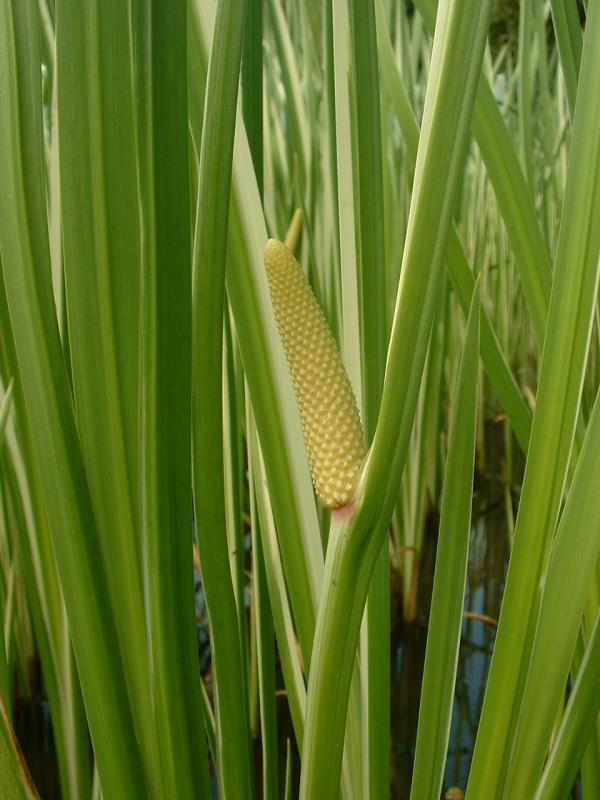
Semi-aquatic perennial herb with intensely aromatic rhizomes containing α- and β-asarone. Distinguished from sweet flag's many lookalikes by the characteristic spicy-bitter scent. Among the most globally distributed sacred plants of antiquity, named in Egyptian, Greek, Vedic, and Chinese pharmacopoeias.
Marshes, slow streams, pond margins. Spreads clonally via rhizome; rarely sets fertile seed outside its native Asian range.
The names this organism has been given by the cultures that have lived alongside it. Each carries an entire relationship — what is sacred is never simply translated.
- vachaSanskrit
- wiikeCree
- Central in Ayurveda (vacha — "speech") and Traditional Chinese Medicine
- Cree and Crow peoples of the Northern Plains chewed small pieces of root as a stimulant and to keep the mouth from drying on long walks
- European folk pharmacy: stomachic, tonic, abortifacient
Walt Whitman titled a cluster of poems in Leaves of Grass "Calamus". The β-asarone content varies dramatically by chemotype: triploid Indian-strain plants contain much more β-asarone (a probable carcinogen) than diploid North American populations. The FDA bans calamus as a food additive on this basis.
- Motley 1994
- Balakumbahan 2010


