A deep, respectful atlas of every psychoactive compound that arises in nature — from psilocybin fungi and 5-MeO-DMT toads to the ancient plant teachers of the Americas, Africa, and beyond.
EntheoAtlas brings them together — beautiful, deeply linked, scientifically rigorous, and culturally respectful — so anyone can truly understand the extraordinary chemical conversation between life and mind.
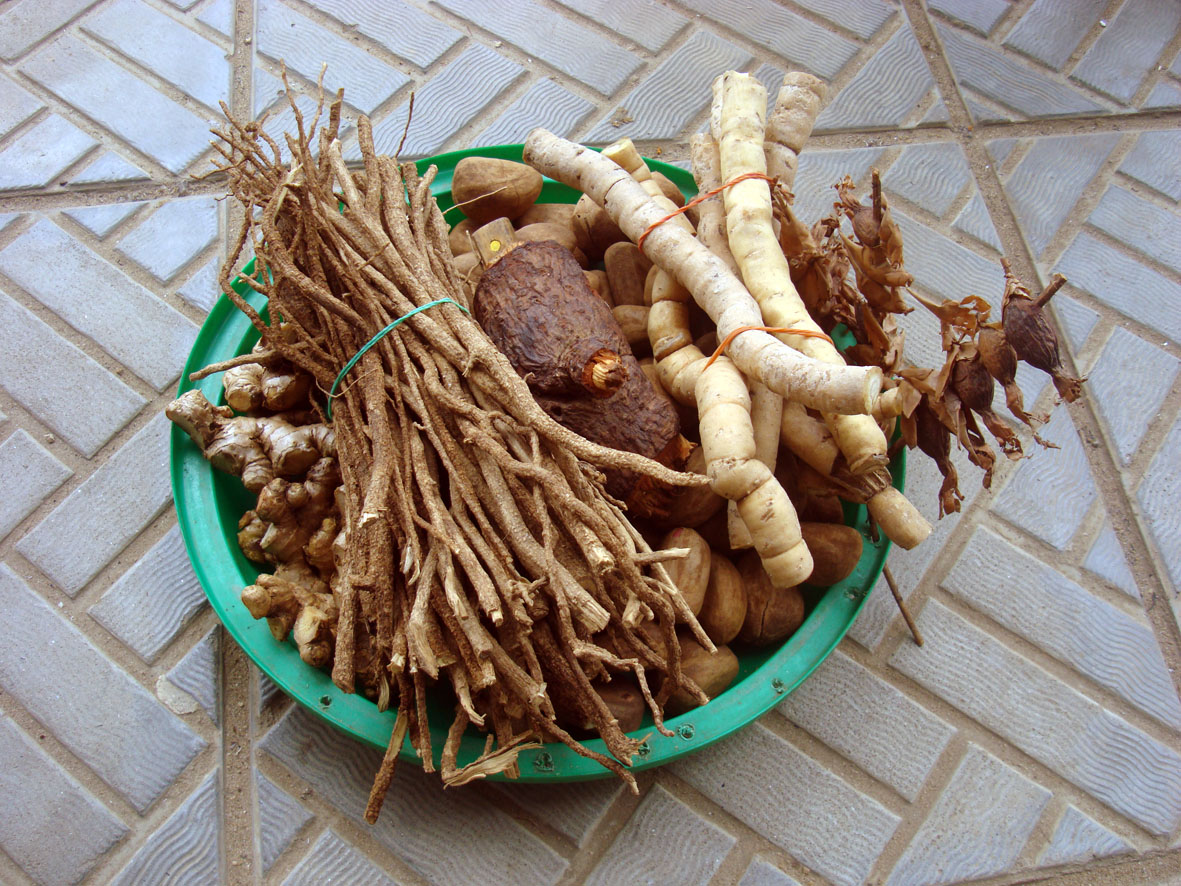
Sterile, vegetatively propagated Pacific shrub whose roots are pounded and infused to produce a relaxing, sociable, and mildly euphoric beverage at the heart of Polynesian and Melanesian ceremonial life.
Each layer is a different way of asking the same question: what is the living chemistry of consciousness?
The living world, equal-earth — every organism placed on the planet it calls home
Powerful faceted search across every organism and molecule
The living sources — fungi, plants, animals — in deep ecological context
Chemical structures, pharmacology, and natural occurrence
Subjective effect taxonomy drawn from rigorous sources
Indigenous knowledge, ritual context, and modern rediscovery
Living web of connections between compounds, species, and effects

Hardy Western Australian wattle named for the raspberry-jam scent of its freshly cut wood. The bark contains exceptionally high concentrations of N,N-DMT.

Fast-growing tree native to Southeast Asia whose root bark and phyllodes are rich in N,N-DMT and other tryptamines.

Eastern Australian wattle whose phyllode and bark are among the richest known natural sources of N,N-DMT, with a chemical profile that also includes NMT and trace beta-carbolines.

Semi-aquatic perennial herb with intensely aromatic rhizomes containing α- and β-asarone. Distinguished from sweet flag's many lookalikes by the characteristic spicy-bitter scent. Among the most globally distributed sacred plants of antiquity, named in Egyptian, Greek, Vedic, and Chinese pharmacopoeias.

Iconic red-and-white spotted mushroom containing muscimol and ibotenic acid. Produces distinctly sedative, dream-like, and sometimes deliriant effects.

Close relative of the fly agaric whose tan-brown cap conceals a substantially higher concentration of ibotenic acid and muscimol — making it both more potent and more dangerous than A. muscaria.

South American tree whose seeds have been prepared into psychoactive snuff (vilca) and brews for at least three thousand years. Closely related to yopo but distributed further south, across the central Andes and the Gran Chaco.

Tree native to the Caribbean and northern South America whose seeds contain a powerful mix of bufotenine, DMT, and 5-MeO-DMT. The seeds are roasted and ground into the snuff known as yopo, used in shamanic ceremonies of the Orinoco basin.
Select any organism or molecule to illuminate its web of relationships.