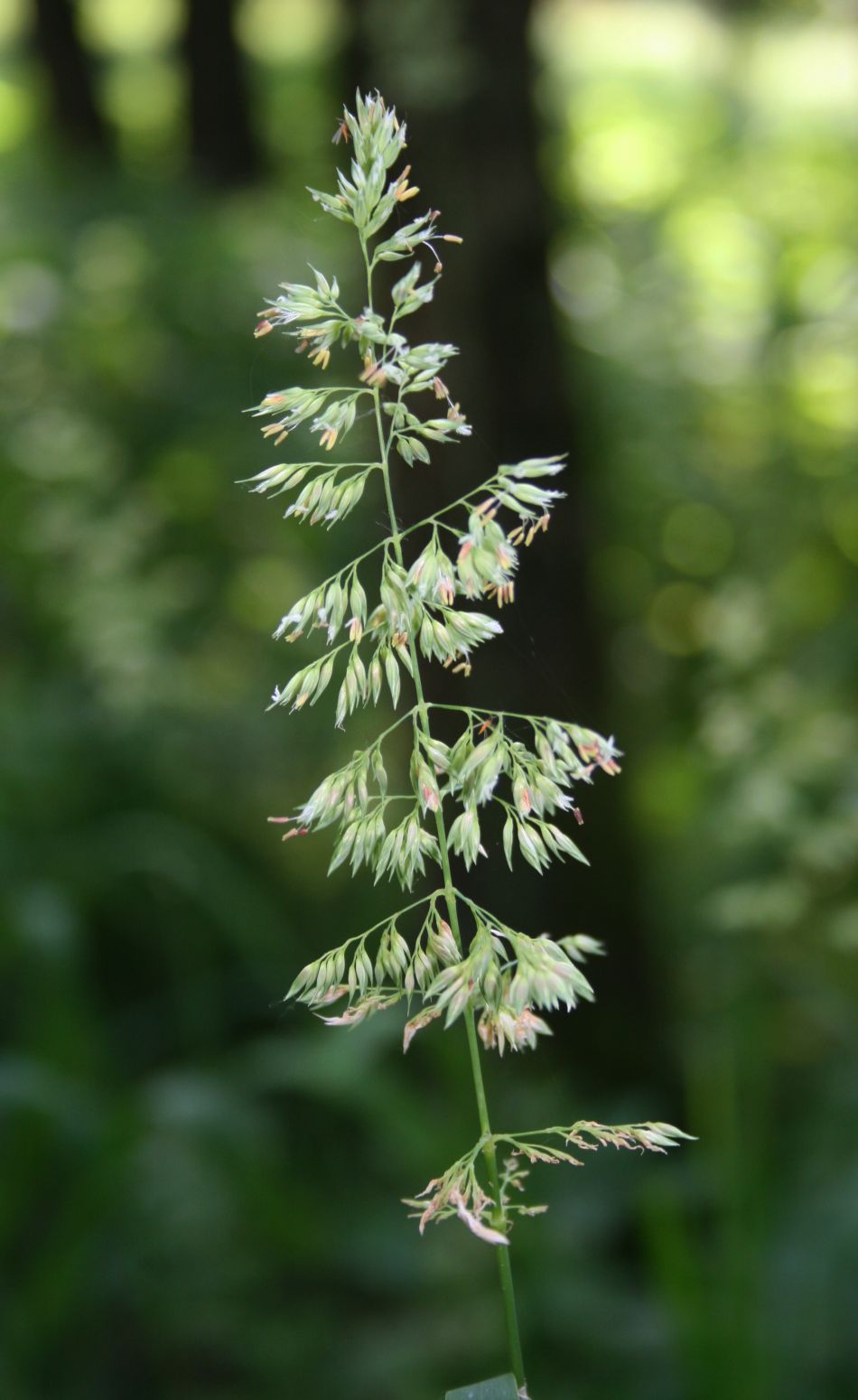
Widespread temperate grass with extremely variable alkaloid chemistry — depending on the strain and growing conditions, it can produce N,N-DMT, 5-MeO-DMT, bufotenine, and the toxic gramine in differing ratios.
ECOLOGY & HABITAT
Cool-season perennial grass of wet meadows, ditches, and riverbanks across the Northern Hemisphere.
Distribution
EuropeAsiaNorth America
TRADITIONAL USE
- No traditional entheogenic use
CULTURAL CONTEXT
Investigated in the 1980s–90s as a temperate-zone DMT source, with chemistry so variable that two clones grown side-by-side may differ wildly — a complication that has discouraged most contemporary use.
GALLERY
3 images
REFERENCES
Toggle scholarly mode in the footer for inline DOI links
- Marten 1973
- Festi & Samorini 1994


